
Hot weather places heavy demand on cooling systems. Taking time to prepare before temperatures climb steadily helps your air conditioner run more reliably, use less energy, and avoid sudden breakdowns when you need it most. Simple checks and a few smart habits make a noticeable difference in comfort and cost throughout the season.
Inspect and Replace the Air Filter
A dirty filter is the most common reason an air conditioner works harder than necessary. Restricted airflow forces the system to run longer cycles, raises energy use, and can even cause the indoor coil to freeze. Check the filter before summer begins and replace it if it looks gray or clogged with dust. Most homes benefit from a fresh filter every one to three months during peak cooling season. Keep a couple of extras on hand so the job never gets delayed.
Clean airflow starts with this single step and protects the rest of the system from unnecessary strain. It also improves indoor air quality by reducing the amount of dust circulating through the ducts.
Have you checked your filter this spring? How long has it been since the last replacement?
Test the Thermostat and Confirm Settings
Turn the system on and set the temperature a few degrees cooler than the current room reading. Within a few minutes you should feel cooler air at the vents and hear the outdoor unit start. If you use a programmable or smart thermostat, review the schedule so it matches summer patterns—lower temperatures while people are home and a modest increase when the house is empty. Confirm that any app controls or remote sensors respond correctly.
A properly working thermostat keeps the system from short-cycling or running longer than needed. Small schedule adjustments often reduce overall runtime without sacrificing comfort.
Does your thermostat reach the set temperature within a reasonable time? Have you updated the summer schedule yet?
Clear Space Around the Outdoor Condenser
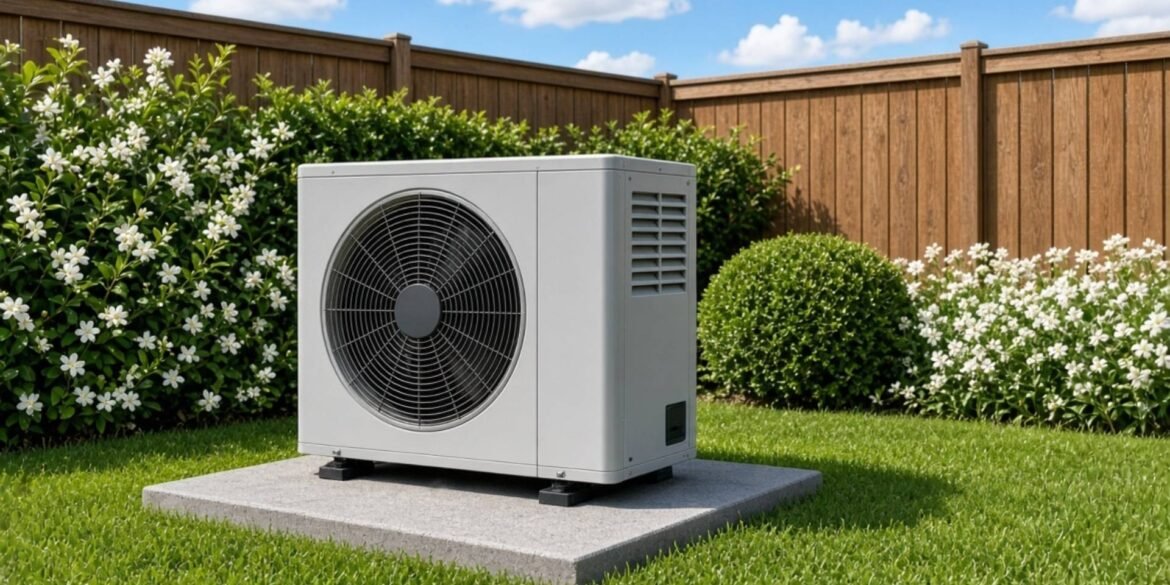
The outdoor unit needs free airflow on all sides to release heat effectively. Leaves, grass, mulch, and other debris that collect against the coils reduce efficiency and can lead to higher operating temperatures. Clear at least two feet of space around the unit and gently rinse the fins with a regular garden hose if they appear dusty. Avoid pressure washers, which can bend the delicate metal fins.
A clean, unobstructed condenser helps the system cool the home more quickly and with less effort. While you are outside, make sure the unit still sits level and that nothing has shifted against it over the winter.
Is the area around your outdoor unit free of debris right now? When did you last rinse the coils?
Check Supply and Return Vents
Walk through the house and confirm that every supply register and return grille is fully open and unobstructed. Furniture, rugs, or heavy curtains that block vents prevent cooled air from reaching the rooms that need it and can create uneven temperatures. Vacuum the faces of the vents to remove accumulated dust.
Good airflow distribution keeps the system from overworking to cool one area while another stays warm. This quick visual check often reveals simple fixes that improve comfort immediately.
Are any vents blocked by furniture or décor? Do some rooms feel consistently warmer than others?
Maintain the Condensate Drain Line
Air conditioners remove humidity from the air, and that moisture must drain away freely. Locate the condensate line—usually a PVC pipe near the indoor unit or exiting outside—and pour a cup of distilled vinegar or an approved cleaner down it once a season. This simple step discourages algae and sludge that can clog the line and cause water to back up.
A clear drain line prevents water damage around the indoor unit and eliminates musty odors that sometimes appear when moisture sits too long. Address any standing water or unusual smells right away rather than waiting for peak heat.
Have you flushed the drain line this year? Have you noticed any water near the indoor unit?
Listen for Unusual Sounds and Watch Performance
Turn the system on and pay attention to how it sounds and feels. Grinding, squealing, or rattling noises are early signs that something needs attention. Weak airflow, rooms that never quite reach the set temperature, or cycles that run far longer than normal also warrant a closer look. Repeated breaker trips point to an electrical issue that should not be ignored.
Catching these warning signs before extreme temperatures arrive usually means a simpler, less expensive repair. Consistent, quiet operation and even cooling across the house are good indicators that the system is ready for summer.
Have you noticed any new noises this spring? Does the system cool the house evenly and within a reasonable time?
Schedule Professional Maintenance
Even when everything appears fine, an annual professional tune-up remains one of the best investments you can make. A technician will clean the coils thoroughly, check refrigerant levels, inspect electrical connections, lubricate moving parts, and measure overall performance. Many small issues that start quietly become costly once the system faces sustained high demand.
Booking the service in spring, before schedules fill up, gives you time to address any recommended repairs without rush. Professional care complements the homeowner checks and helps the equipment last longer.
When was the last time a technician serviced your system? Have you scheduled this year’s appointment yet?
Lower the Cooling Load with Everyday Habits
The air conditioner does not have to work alone. Smart thermostat schedules that raise the temperature a few degrees when no one is home reduce runtime. Closing blinds and shades on sun-facing windows during the day keeps heat out. Ceiling fans create a cooling breeze that lets you set the thermostat a couple of degrees higher while still feeling comfortable. Good attic insulation and sealed air leaks around doors and windows further limit the heat that enters the house.
These habits lower the overall demand on the system and often produce noticeable savings on energy bills. They also help the equipment maintain steady performance during the hottest stretches of the season.
Which of these habits could you put in place this week? Have you checked your attic insulation lately?
Homeowner Readiness Checklist
Replace or clean the air filter and test the thermostat. Clear debris from the outdoor unit, open all vents, and flush the condensate drain. Listen for unusual sounds, note any weak airflow or uneven cooling, and schedule professional maintenance if it has been more than a year.
These steps take only a short time yet deliver reliable comfort and fewer surprises once summer heat settles in. Completing them now puts you ahead of the season.
Which items on the checklist are still open? Will you finish them this weekend?
Frequently Asked Questions (FAQs)
How often should I change my air conditioner filter during summer?
Most homes need a new filter every 30 to 90 days when the system runs heavily. Homes with pets, allergies, or lots of dust usually do better with monthly changes to maintain strong airflow and efficiency.
Why is my outdoor unit louder than it used to be?
New or louder noises often come from loose panels, a failing fan motor, or debris hitting the blades. If the sound continues or grows worse, schedule a service visit before the problem turns into a breakdown.
Can I clean the outdoor condenser coils myself?
Yes. Shut off power to the unit, clear leaves and debris from around it, and gently rinse the fins with a regular garden hose. Never use a pressure washer, as it can bend the fins. Deeper cleaning is best handled by a technician.
What causes weak airflow from the vents?
A clogged filter, closed or blocked vents, a dirty blower wheel, or leaky ducts are the most common causes. Start by changing the filter and opening all vents. If airflow stays weak, call for professional help.
Is an annual professional tune-up really worth it?
Yes. A yearly visit finds low refrigerant, worn electrical parts, and dirty coils before they cause expensive failures or high energy bills during peak summer heat. It also helps the system last longer.
How can I lower cooling costs without losing comfort?
Raise the thermostat a few degrees when the house is empty, close blinds on sunny windows, run ceiling fans, keep the filter clean, and seal obvious air leaks. These simple steps reduce runtime while the home still feels comfortable.
What should I do if the air conditioner keeps tripping the breaker?
Repeated breaker trips signal an electrical or mechanical problem that needs immediate attention. Do not keep resetting the breaker. Turn the system off and contact a qualified technician.
When is the best time to schedule AC maintenance?
Spring is ideal—before the first real heat wave. Technicians have more open slots, and any needed repairs can be completed without the rush of summer emergencies.
Conclusion
Preparing your air conditioner before peak summer demand arrives is one of the most practical steps a homeowner can take. Filter changes, outdoor cleaning, simple performance checks, and a professional visit remove the most common causes of mid-season trouble. Pair those actions with smarter indoor habits and the system faces less strain overall. A little attention now supports steady cooling, better efficiency, and greater peace of mind when temperatures rise and stay high.