Most homeowners expect their HVAC system to keep their home comfortable year after year. However, many people focus only on repairs when something goes wrong and overlook the simple habits that can significantly extend the life of their equipment. While modern heating and cooling systems are designed to be durable, their longevity depends heavily on consistent care and attention.
One of the most overlooked aspects of HVAC ownership is preventative maintenance. Homeowners who invest in routine care and professional inspections often avoid costly breakdowns and enjoy better system performance. For those seeking reliable HVAC services in Sylvania, OH, professional maintenance can help identify small issues before they become expensive problems.
Why HVAC Systems Wear Out Prematurely
Every HVAC system experiences normal wear and tear. Components such as motors, fans, compressors, and electrical connections work hard throughout the year to maintain indoor comfort. Over time, these parts naturally degrade.
However, premature failure is often caused by neglect rather than age. Dirty filters, clogged coils, restricted airflow, and overlooked maintenance tasks force systems to work harder than necessary. This added strain increases energy consumption and accelerates component wear.
A system that receives regular care may last 15 to 20 years or more, while a neglected unit could require replacement much sooner.
The Hidden Value of Preventive Maintenance
Many homeowners assume that if their HVAC system is running, everything must be fine. Unfortunately, HVAC issues often develop gradually and remain unnoticed until a major failure occurs.
Preventive maintenance provides several important benefits:
- Improves system efficiency
- Reduces monthly energy costs
- Extends equipment lifespan
- Minimizes unexpected breakdowns
- Enhances indoor comfort
- Supports healthier indoor air quality
Routine inspections allow technicians to identify worn parts, refrigerant issues, airflow restrictions, and electrical concerns before they affect performance.
Air Filters: The Small Component With a Big Impact
One of the simplest maintenance tasks is also one of the most important. Air filters play a critical role in protecting HVAC equipment and maintaining airflow throughout the home.
When filters become dirty, the system must work harder to pull air through the ductwork. This increased workload places additional stress on the blower motor and other components.
Depending on the type of filter and household conditions, filters should generally be checked monthly and replaced as recommended by the manufacturer. Homes with pets, allergies, or higher dust levels may require more frequent replacements.
Ignoring this basic task can reduce efficiency, increase utility bills, and shorten system life.
The Importance of Clean Coils
HVAC systems rely on evaporator and condenser coils to transfer heat efficiently. Over time, dirt, debris, and dust can accumulate on these surfaces.
Dirty coils reduce heat transfer, forcing the system to run longer cycles to achieve the desired temperature. This not only increases energy usage but also places unnecessary strain on critical components.
Professional cleaning during routine maintenance helps ensure optimal performance and prevents avoidable wear.
Airflow Problems Can Damage Your System
Proper airflow is essential for efficient operation. When airflow becomes restricted, the entire HVAC system suffers.
Common causes of airflow issues include:
- Blocked vents and registers
- Dirty air filters
- Leaking ductwork
- Closed interior doors
- Obstructed outdoor units
Many homeowners unintentionally create airflow problems by placing furniture in front of vents or allowing landscaping to grow too close to outdoor equipment.
Maintaining clear airflow pathways helps the system operate as designed and reduces unnecessary stress.
Why Annual Professional Inspections Matter
While homeowners can perform several maintenance tasks themselves, some issues require professional expertise.
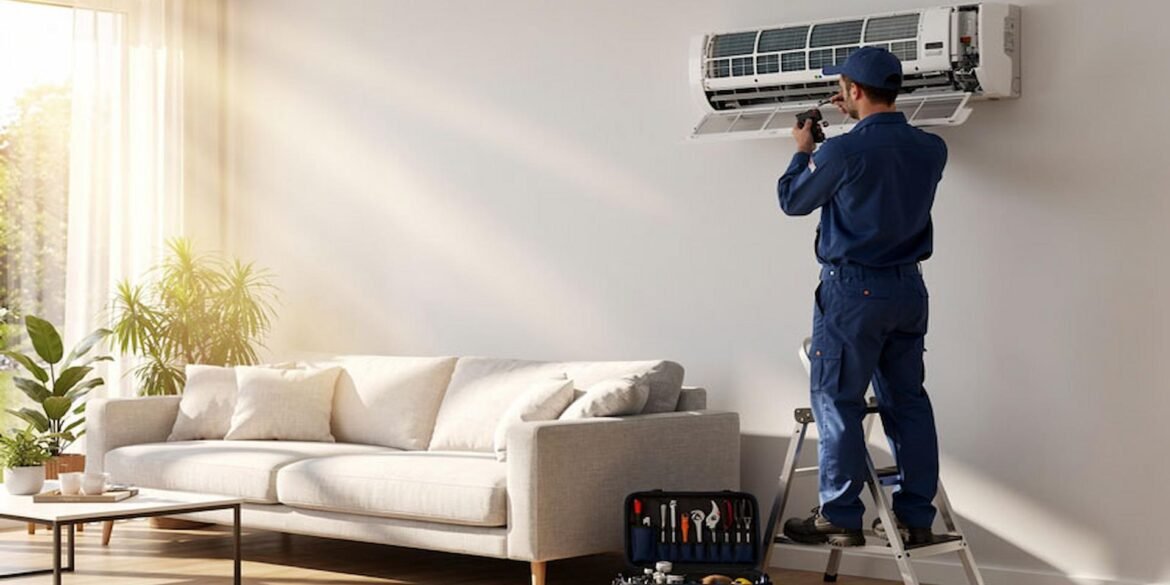
Annual inspections allow trained technicians to evaluate the system thoroughly and address concerns that may not be visible to the average homeowner. During a professional service visit, technicians may:
- Inspect electrical components
- Check refrigerant levels
- Test thermostat performance
- Lubricate moving parts
- Clean critical components
- Verify proper airflow
- Identify developing mechanical issues
These inspections often reveal small problems before they evolve into major repairs.
The Role of Smart Thermostat Habits
Many homeowners overlook the impact of thermostat settings on system longevity.
Constantly adjusting temperatures or forcing the system to work harder than necessary can increase wear over time. Smart thermostats help maintain consistent temperatures while reducing unnecessary runtime.
Simple thermostat strategies include:
- Avoiding extreme temperature settings
- Using programmable schedules
- Reducing demand when the home is unoccupied
- Maintaining steady comfort levels
These habits improve efficiency and reduce stress on HVAC equipment throughout the year.
Outdoor Unit Care Often Gets Ignored
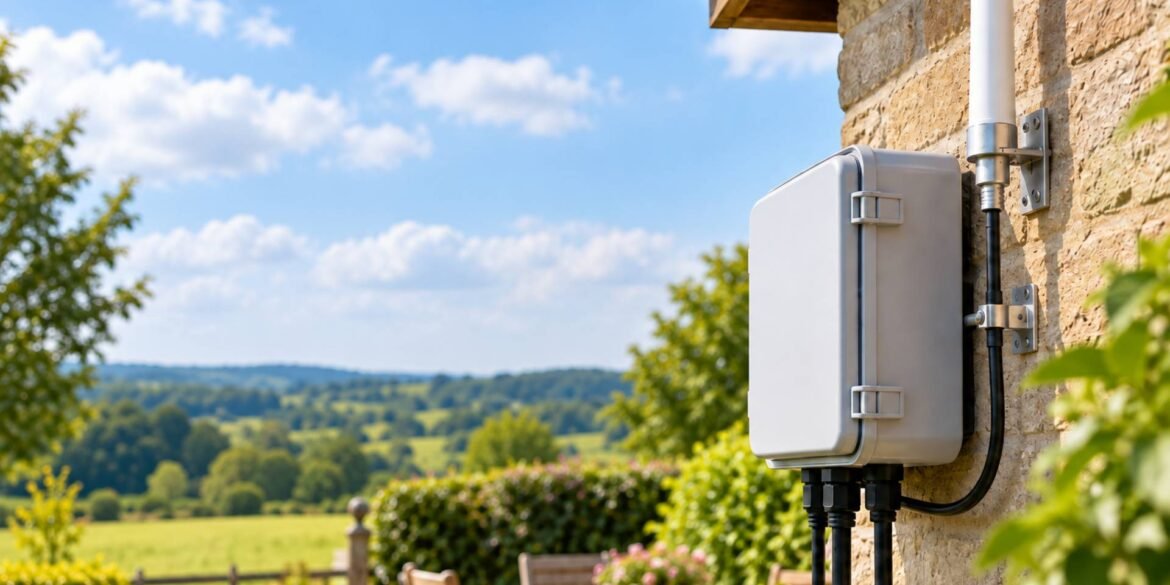
The outdoor condenser unit is exposed to weather, dirt, leaves, and debris throughout every season. Unfortunately, many homeowners rarely inspect this part of their system.
Keeping the outdoor unit clean and unobstructed helps maintain proper airflow and heat exchange. Homeowners should regularly remove leaves, grass clippings, and debris from around the unit while ensuring adequate clearance on all sides.
Even a well-maintained indoor system can struggle if the outdoor equipment is neglected.
Warning Signs You Should Never Ignore
Small HVAC issues often provide early warning signs before major failures occur. Paying attention to these symptoms can prevent costly repairs.
Common warning signs include:
- Unusual noises
- Rising energy bills
- Uneven temperatures
- Weak airflow
- Frequent cycling
- Excess humidity
- Strange odors
Addressing these concerns promptly helps protect both system performance and longevity.
Long-Term Savings Through Consistent Care
Some homeowners delay maintenance because they view it as an unnecessary expense. In reality, preventative care is often far less costly than emergency repairs or premature equipment replacement.
A well-maintained HVAC system operates more efficiently, experiences fewer breakdowns, and provides more reliable comfort throughout its lifespan. The combination of lower energy bills, reduced repair costs, and extended equipment life can result in substantial long-term savings.
Conclusion
The secret to a longer-lasting HVAC system is not a hidden technology or expensive upgrade. It is consistent preventative maintenance. Regular filter changes, professional inspections, clean coils, proper airflow, and smart operating habits all contribute to improved performance and a longer equipment lifespan.
Homeowners who take a proactive approach to HVAC care often enjoy better comfort, lower operating costs, and fewer unexpected repairs. By focusing on routine maintenance rather than waiting for problems to appear, you can help your heating and cooling system deliver reliable performance for many years to come.