
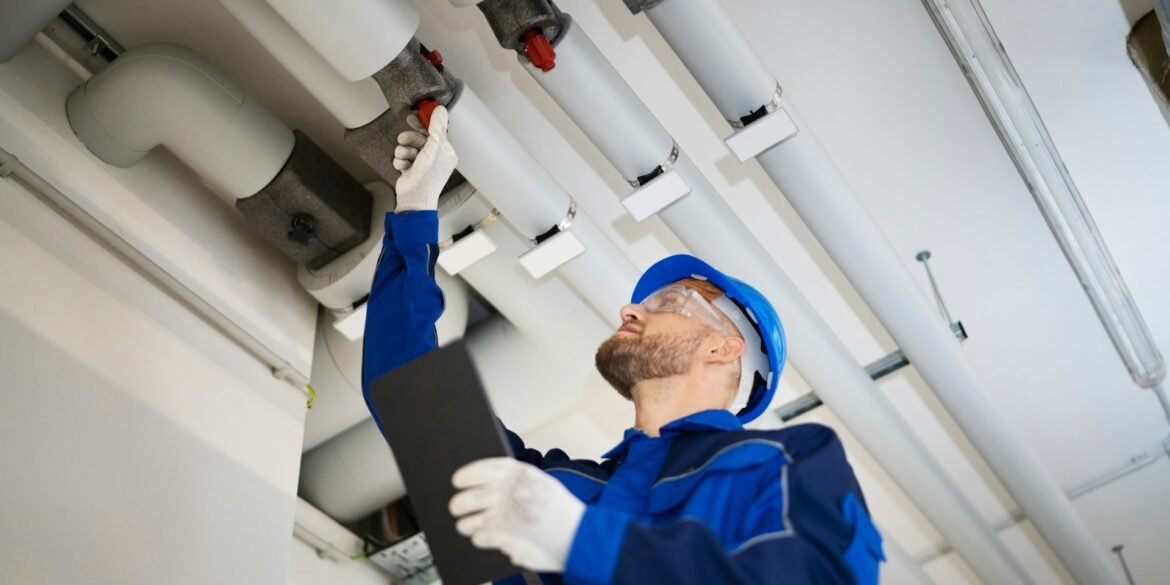
Commercial HVAC systems help maintain comfortable temperatures, manage indoor air quality, and support daily business operations. When heating or cooling equipment receives insufficient maintenance, minor issues can develop into unexpected breakdowns, uncomfortable workspaces, and higher operating costs. A consistent maintenance schedule helps building owners address these concerns before they interfere with business activities.
The right schedule depends on the building’s size, equipment type, operating hours, occupancy, and local climate. Businesses arranging commercial HVAC maintenance in Wilmington, NC, should consider seasonal weather conditions alongside the demands placed on their systems to establish a practical plan that supports reliable performance throughout the year.
Why Commercial Buildings Need a Regular HVAC Maintenance Schedule
Commercial HVAC equipment often operates for extended periods to maintain suitable indoor conditions. Dust accumulation, restricted airflow, worn components, and drainage problems can gradually affect performance. Without routine inspections, these issues may remain unnoticed until the equipment struggles to meet heating or cooling demands.
Preventive maintenance also helps businesses plan expenses more effectively. Identifying developing faults during scheduled visits can reduce the likelihood of disruptive emergency repairs, although maintenance cannot eliminate every equipment failure. Clean components and properly adjusted controls may also support energy efficiency, while appropriate servicing helps protect the equipment’s expected service life.
Indoor comfort is another important consideration. Temperature fluctuations, poor airflow, and neglected filters can affect the working environment. A well-maintained system is better positioned to distribute conditioned air consistently and support indoor air quality, provided ventilation and other building conditions are also properly managed.
How Often Should Commercial HVAC Equipment Be Serviced?
There is no single maintenance interval suitable for every commercial property. A small office with moderate occupancy may have different requirements from a restaurant, retail store, or facility that operates around the clock. Equipment age, manufacturer recommendations, environmental conditions, and previous repair history should all influence the schedule.
For many commercial buildings, professional inspections and tune-ups are planned at least twice a year, with one visit before the main cooling season and another before sustained heating demand. Some systems need more frequent attention, particularly when they operate continuously, handle substantial indoor air loads, or serve areas where equipment failure would significantly disrupt operations.
Routine tasks between professional visits also matter. Building staff can monitor thermostat settings, check accessible air filters, look for unusual noises, and report changes in airflow. These basic checks complement professional servicing rather than replace it.
A Practical Seasonal Maintenance Plan for Commercial Buildings
A seasonal approach makes it easier to prepare equipment for changing weather and anticipated demand. The exact timing should reflect local conditions and the building’s operating requirements.
Spring: Prepare for Cooling Demand
Before warmer weather arrives, have the cooling system inspected and serviced. A technician can assess coils, electrical connections, refrigerant-related performance, condensate drainage, thermostat operation, and airflow. Air filters should be checked and replaced when needed, following the equipment manufacturer’s guidance.
Drainage deserves particular attention because blocked condensate lines can cause water leaks or trigger safety shutoffs. Addressing developing issues before the cooling season begins gives the business time to arrange repairs without relying on emergency service during a period of high demand.
Summer: Monitor Performance During Heavy Use
During the cooling season, monitor the system’s operation and respond promptly to changes. Filters may require more frequent replacement when outdoor dust, construction activity, high occupancy, or extended operating hours increase the amount of airborne material entering the equipment.
Building staff should also pay attention to uneven temperatures, unusual cycling, persistent humidity, or unexplained increases in energy consumption. These changes do not necessarily indicate equipment failure, but they can justify further investigation.
Fall: Prepare Heating Equipment
Before colder weather, schedule an inspection of the heating system. Depending on the equipment, professional servicing may include checking burners or heating elements, electrical components, controls, airflow, and safety devices. Gas-fired equipment requires appropriate combustion and venting checks.
The technician should also review thermostat operation and confirm that the system responds correctly to heating demands. If the building uses a heat pump or another system that provides both heating and cooling, the maintenance requirements may differ from those of a conventional furnace.
Winter: Continue Monitoring and Address Problems
Winter maintenance focuses on monitoring operation, keeping filters within their recommended service intervals, and responding to developing problems. Heating equipment should not be left operating with persistent faults simply because it is still producing some warmth.
Buildings with extended operating hours may benefit from more frequent inspections based on usage and previous findings. Any unusual smell, repeated safety shutdown, or suspected combustion problem should receive prompt professional attention.
Warning Signs That Require Attention Between Visits
Scheduled maintenance should not delay investigation when a system shows signs of trouble. Property managers should establish a clear reporting process so employees can communicate problems as soon as they appear.
Important warning signs include:
- Uneven temperatures between rooms or floors.
- Reduced airflow from supply vents.
- Unusual grinding, rattling, buzzing, or persistent vibration.
- Water around indoor equipment or signs of condensate leakage.
- Unexpected increases in utility consumption without an obvious operational explanation.
- Frequent cycling, repeated shutdowns, or difficulty maintaining the thermostat setting.
These symptoms can have several causes, including dirty filters, control problems, ductwork restrictions, drainage faults, or failing components. Avoid assuming that a single issue explains every symptom. Prompt assessment can help identify the underlying cause and determine whether cleaning, adjustment, repair, or further testing is appropriate.
What Should a Commercial HVAC Maintenance Visit Include?
A useful maintenance program should reflect the equipment installed in the building rather than rely on the same checklist for every property. The scope will vary according to the system and its manufacturer’s requirements.
Typical tasks include inspecting equipment for wear and leaks, cleaning relevant components, checking filters and drainage, testing thermostats and controls, examining electrical connections, and evaluating airflow. Technicians may also assess refrigerant-related performance where applicable and check motors, belts, and other components that require attention.
Maintenance records are equally important. A written report can document completed tasks, identified defects, recommended repairs, and items that require follow-up. Over time, these records help property managers identify recurring problems, plan budgets, and make informed decisions about equipment replacement.
How to Build a Maintenance Schedule That Fits Your Building
Start by creating an inventory of the building’s HVAC equipment, including its type, age, location, operating hours, and available service history. Review manufacturer recommendations and identify spaces where heating or cooling interruptions would have the greatest operational impact.
Next, establish routine inspection dates around seasonal demand and assign responsibility for basic checks between professional visits. Consider whether high occupancy, dust, humidity, long operating hours, or specialized indoor conditions require additional attention.
A commercial maintenance agreement may help organize scheduled visits and clarify which inspections, services, documentation, and follow-up tasks are included. Before committing, confirm the scope, service frequency, exclusions, and arrangements for repairs or urgent issues. The agreement should match the building’s actual requirements rather than simply offer a fixed number of visits.
Final Thoughts
The best commercial HVAC maintenance schedule combines seasonal professional servicing with regular monitoring between visits. Building managers should account for equipment requirements, occupancy, operating hours, and local weather rather than assume that every system needs identical attention. Consistent inspections and accurate records help identify developing issues and support more informed maintenance decisions.
For businesses planning commercial HVAC maintenance in Wilmington, NC, a practical next step is to arrange an assessment of the existing equipment and its service history. Use the findings to establish appropriate inspection intervals, clarify maintenance responsibilities, and address priority repairs before seasonal demand places additional pressure on the system.