
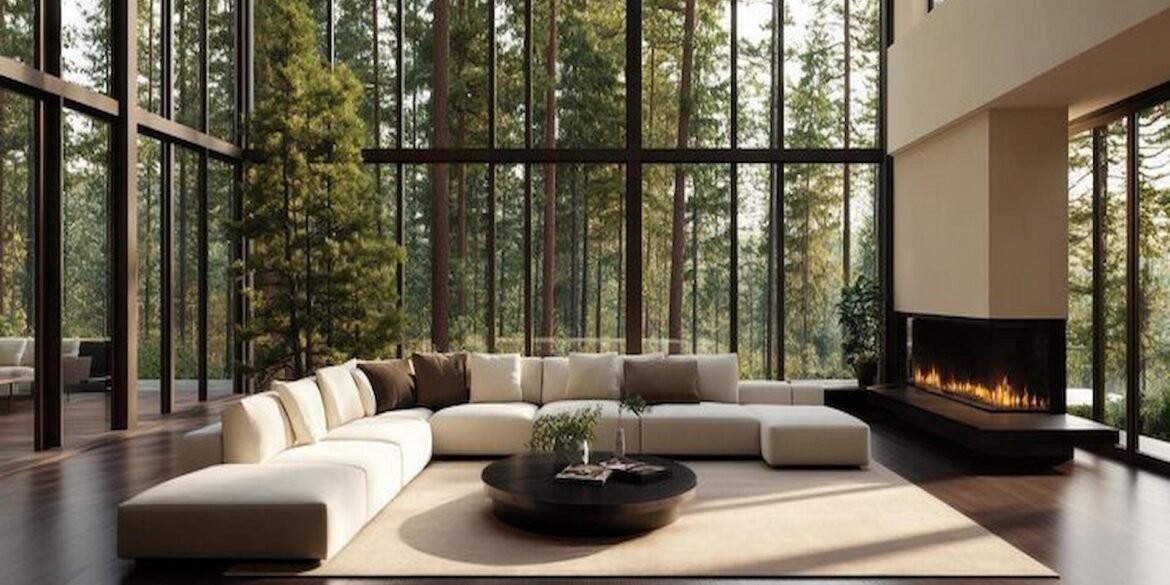
Unlock the hidden potential of your home by transforming every square foot into a purposeful, functional space. From clever storage to multi-use layouts, discover practical strategies that maximize efficiency without sacrificing style. Learn how thoughtful design can create a more organized, comfortable, and visually appealing environment tailored to modern living needs.
Introduction
Space is one of the most valuable assets in any home, yet it’s often underutilized. Whether you live in a compact apartment or a spacious house, inefficient layouts and clutter can make even large areas feel restrictive. The key isn’t necessarily having more space—it’s using what you already have more intelligently.
Modern homeowners are increasingly embracing space optimization secrets to create homes that feel open, organized, and adaptable. By rethinking layouts, incorporating smart storage, and designing with intention, it’s possible to turn every square foot into a functional and visually pleasing part of your living environment.
Understanding the True Potential of Your Space
Before making any changes, it’s essential to evaluate how your current space is being used. Many homes have overlooked areas—corners, vertical surfaces, or underutilized furniture—that can be transformed into functional assets.
A well-optimized home aligns design with daily habits. When each area serves a purpose, movement becomes more fluid, and the overall environment feels more balanced. This approach goes beyond aesthetics, influencing productivity, comfort, and even mental clarity.
The Psychology of Space and Decluttering
Clutter doesn’t just occupy physical space—it also impacts how you think and feel. A crowded room can create stress and reduce focus, while an organized environment promotes calm and efficiency.
By applying space optimization secrets, you can create a layout that supports mental well-being as much as physical functionality.
Simple decluttering strategies:
- Keep only items you use regularly or truly value
- Use concealed storage to maintain a clean visual appearance
- Adopt a “one in, one out” rule to prevent accumulation
- Organize belongings by category for easier access
These small shifts can significantly improve how your space feels and functions.
Smart Storage Solutions That Work Harder
Storage is the backbone of any optimized home. The goal isn’t to add more storage randomly, but to integrate it seamlessly into your design.
Built-In and Hidden Storage Ideas
Hidden storage keeps your home looking clean while maximizing utility.
Creative storage solutions to consider:
- Under-bed drawers or lift-up storage beds
- Built-in shelves around doorways and windows
- Storage benches in living or dining areas
- Cabinets that extend up to the ceiling
These solutions make use of areas that would otherwise remain unused, adding both function and visual harmony.
Multi-Functional Furniture for Modern Living
Furniture that serves multiple purposes is a game-changer, especially in smaller spaces.
Examples of multi-functional furniture:
- Sofa beds for dual living and sleeping areas
- Extendable dining tables for flexible seating
- Ottomans with hidden storage compartments
- Fold-down desks for compact workspaces
Choosing versatile furniture reduces clutter and ensures every piece contributes to your home’s functionality.
Vertical Space: The Most Overlooked Asset
When floor space is limited, the solution is often right above you. Vertical space offers untapped potential for storage and design.
How to Maximize Vertical Areas
Using walls effectively can dramatically increase your usable space.
Vertical optimization techniques:
- Install floating shelves for books and decor
- Use wall-mounted organizers in kitchens and offices
- Hang hooks or pegboards for everyday items
- Incorporate tall cabinets to maximize storage capacity
By shifting storage upward, you free up floor space and create a more open, breathable environment.
Zoning Without Walls: Defining Spaces Creatively
Open layouts are popular, but they can sometimes lack structure. Zoning helps define different areas without the need for permanent walls.
Subtle Ways to Create Functional Zones
Strategic design elements can visually separate spaces while maintaining openness.
Zoning techniques to try:
- Use area rugs to distinguish the living and dining areas
- Arrange furniture to create natural boundaries
- Apply different lighting styles for each zone
- Incorporate sliding panels or open shelving as dividers
These methods allow you to maintain flexibility while giving each area a clear purpose.
Lighting and Layout: Enhancing Perception of Space
Lighting plays a crucial role in how spacious a room feels. Poor lighting can make even large areas seem cramped, while well-planned lighting creates openness and depth.
A thoughtful layout combined with layered lighting—ambient, task, and accent—can transform the perception of your home. Natural light should also be maximized whenever possible, as it enhances both mood and spatial awareness.
Designing for Flow and Functionality
An optimized home isn’t just about storage—it’s about how you move through the space. Good flow ensures that each area is easy to access and use.
Tips for improving flow:
- Keep pathways clear and unobstructed
- Arrange furniture to support natural movement
- Avoid overcrowding rooms with unnecessary items
- Ensure frequently used items are easily accessible
When movement feels effortless, your home becomes more intuitive and enjoyable to live in.
Blending Style With Practicality
Functionality doesn’t have to come at the expense of style. In fact, the best designs seamlessly combine both.
Choose decor that enhances usability—like decorative baskets for storage or stylish shelving units that double as display areas. Neutral color palettes and cohesive design elements can also make spaces feel larger and more unified.
Conclusion
Maximizing space is about thoughtful design, not limitation. By using smart layouts, creative storage, and intentional zoning, any home can feel more open and functional. Small changes, when applied strategically, can transform how a space looks and works. A well-optimized home supports daily life with ease, offering comfort, clarity, and flexibility without requiring additional square footage or constant redesign.
FAQs
- How can I make a small room feel bigger without remodeling?
Focus on decluttering, using light colors, maximizing natural light, and incorporating mirrors. Multi-functional furniture and vertical storage can also create the illusion of more space. - What is the best way to organize a multi-purpose room?
Use zoning techniques such as rugs, lighting, and furniture placement to define distinct areas. Keep storage accessible and ensure each zone has a clear function. - How do I choose the right furniture for a small space?
Look for compact, multi-functional pieces that serve more than one purpose. Avoid bulky designs and prioritize items that offer storage or flexibility.
4. Why is vertical space important in home design?
Vertical space allows you to expand storage and functionality without taking up floor area. It helps create a more open layout while maximizing your home’s overall usability.