
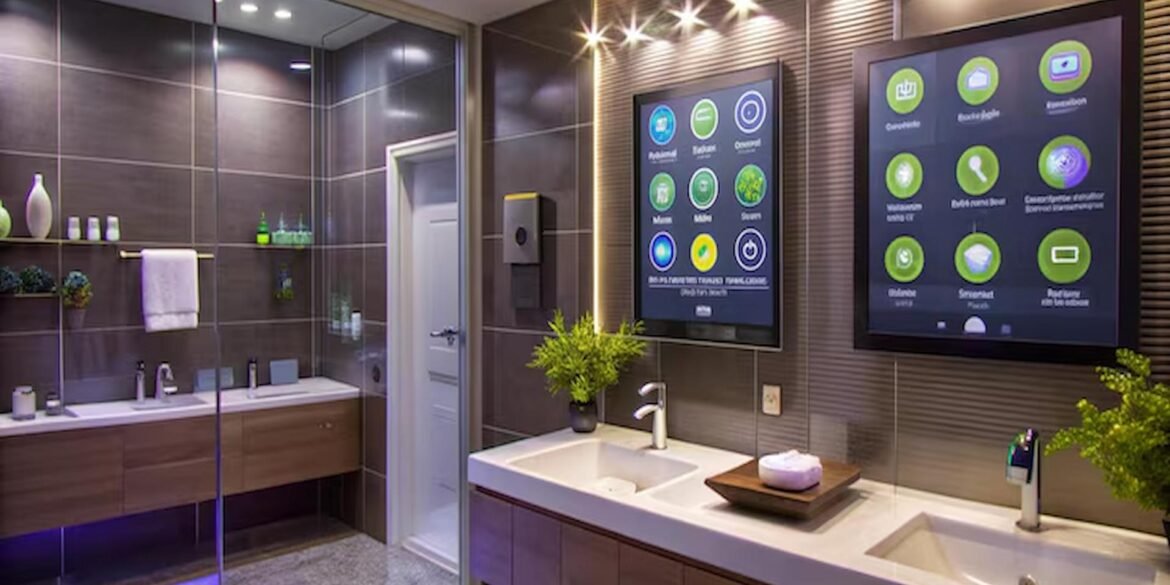
Design a home that adapts as your life evolves. Discover smart renovation solutions that go beyond aesthetics—embracing flexibility, durability, and innovation. From modular layouts to energy-efficient systems, learn how to create a future-ready space that supports evolving needs while maintaining comfort, style, and long-term value for years to come.
Overview
Renovating a home is often seen as a short-term upgrade—a way to refresh aesthetics or fix immediate issues. But a smarter approach treats renovation as a long-term investment. Future-ready homes are designed to adapt, evolve, and support shifting lifestyles without requiring constant overhauls. Whether you’re planning for remote work, expanding families, or aging comfortably in place, thoughtful renovation can transform your living space into one that grows with you.
Today’s homeowners are rethinking how spaces function. Instead of rigid layouts and trend-driven choices, the focus is shifting toward flexibility, sustainability, and technology integration. By embracing smart renovation solutions, you can create a home that remains relevant, efficient, and comfortable no matter how your needs change over time.
Rethinking Renovation as a Long-Term Strategy
A successful renovation isn’t just about what looks good today—it’s about what will continue to work years from now. This mindset requires planning beyond immediate needs and considering how your lifestyle may evolve.
Future-ready design focuses on adaptability. For instance, a guest room today might become a home office tomorrow, or a playroom could transition into a study area as children grow. Designing with flexibility in mind ensures that your home remains functional without requiring major structural changes down the line.
Designing Flexible Spaces That Evolve
Flexibility is at the core of any future-ready home. Instead of assigning permanent roles to rooms, think of spaces as multi-functional environments.
Practical ways to create flexible layouts:
- Use sliding doors or movable partitions to adjust room sizes
- Opt for open floor plans that allow easy reconfiguration
- Choose furniture that can be rearranged or repurposed
- Design neutral spaces that can adapt to different functions
A flexible home reduces the need for frequent renovations, saving both time and effort while maintaining comfort.
Planning for Lifestyle Changes
Life rarely stays the same, and your home shouldn’t either. Planning for change ensures your space remains supportive through different stages of life.
Key lifestyle considerations:
- Remote work and hybrid office setups
- Growing families and changing space needs
- Aging in place with accessibility features
- Hosting guests or accommodating extended family
By anticipating these shifts early, you can incorporate design elements that minimize disruption later.
Infrastructure Upgrades That Future-Proof Your Home
While visible design elements matter, the real strength of a future-ready home lies beneath the surface. Investing in infrastructure ensures long-term efficiency, safety, and adaptability.
Incorporating smart renovation solutions at this stage can significantly improve your home’s performance and value.
Smart Wiring and Technology Integration
Modern homes rely heavily on technology, making smart infrastructure essential. Instead of adding devices later, plan for them during renovation.
Smart infrastructure essentials:
- Pre-installed wiring for smart home systems
- Centralized control hubs for lighting, security, and climate
- High-speed internet connectivity throughout the home
- Scalable systems that can accommodate future upgrades
This approach ensures your home stays technologically relevant without constant rewiring or upgrades.
Energy Efficiency and Sustainability
Energy-efficient homes are not only environmentally responsible but also more cost-effective over time. Sustainable renovation choices contribute to long-term savings and comfort.
Sustainable upgrades to consider:
- Energy-efficient windows and insulation
- Solar-ready roofing systems
- LED lighting and smart thermostats
- Water-saving fixtures and appliances
Choosing sustainable materials and systems ensures your home remains efficient and eco-friendly for years.
Choosing Timeless Design Over Trends
Trends come and go, but timeless design endures. While it’s tempting to follow current styles, focusing on classic elements ensures your home remains appealing over time.
Neutral color palettes, clean lines, and high-quality materials create a foundation that can be easily updated with minor changes. This approach reduces the need for frequent renovations while maintaining a fresh and modern look.
Materials That Last
Durability is a critical factor in future-ready renovation. Investing in high-quality materials minimizes maintenance and extends the lifespan of your home.
Durable material choices:
- Hardwood or engineered wood flooring
- Quartz or granite countertops
- Moisture-resistant paints and finishes
- Long-lasting roofing and siding materials
These materials not only enhance aesthetics but also provide long-term reliability.
Budget Prioritization: Where to Invest for Maximum Value
Not all renovation elements deliver equal value. Strategic investment ensures you get the most out of your budget while preparing your home for the future.
High-impact areas worth prioritizing:
- Structural improvements and layout optimization
- Energy-efficient systems and insulation
- Kitchen and bathroom functionality
- Smart home infrastructure
Focusing on these areas ensures your renovation delivers both immediate benefits and long-term returns.
Creating a Renovation Roadmap
A clear renovation plan helps you stay organized and ensures every decision aligns with your long-term goals.
Step-by-step renovation approach:
- Assess current needs and future goals
- Identify areas that require immediate attention
- Plan for flexibility and adaptability
- Allocate budget based on long-term value
- Work with experienced professionals
- Incorporate sustainable and smart solutions
Having a roadmap reduces uncertainty and helps you make informed decisions throughout the renovation process.
Balancing Comfort, Style, and Functionality
A future-ready home isn’t just practical—it’s also comfortable and visually appealing. The key is finding the right balance between functionality and style.
Comfort comes from thoughtful design choices, such as proper lighting, ventilation, and ergonomic layouts. Style, on the other hand, is achieved through cohesive design elements that reflect your personality while remaining adaptable.
When these aspects work together, your home becomes a space that not only meets your needs but enhances your daily life.
Conclusion
Designing a future-ready home means thinking beyond immediate needs and embracing long-term adaptability. By prioritizing flexibility, durable materials, smart infrastructure, and sustainable solutions, homeowners can create spaces that evolve with changing lifestyles. Thoughtful renovation planning ensures lasting comfort, functionality, and value, transforming your home into a resilient and efficient environment that continues to serve you well for years to come.
FAQs
- What makes a home “future-ready”?
A future-ready home is designed to adapt to changing needs over time. It incorporates flexible layouts, durable materials, energy-efficient systems, and smart technology to remain functional and relevant as lifestyles evolve. - How can I make my home adaptable without major renovations later?
Focus on modular designs, multi-purpose spaces, and infrastructure upgrades during your initial renovation. These elements allow your home to adjust to new uses without requiring significant structural changes. - Why is flexibility important in home design?
Flexibility ensures your home can accommodate different life stages, such as remote work, family growth, or aging. It reduces the need for repeated renovations and makes your living space more versatile.
4. What role does technology play in modern renovations?
Technology enhances convenience, efficiency, and security. Integrating smart systems during renovation ensures seamless functionality and allows for easy upgrades as new innovations emerge.