
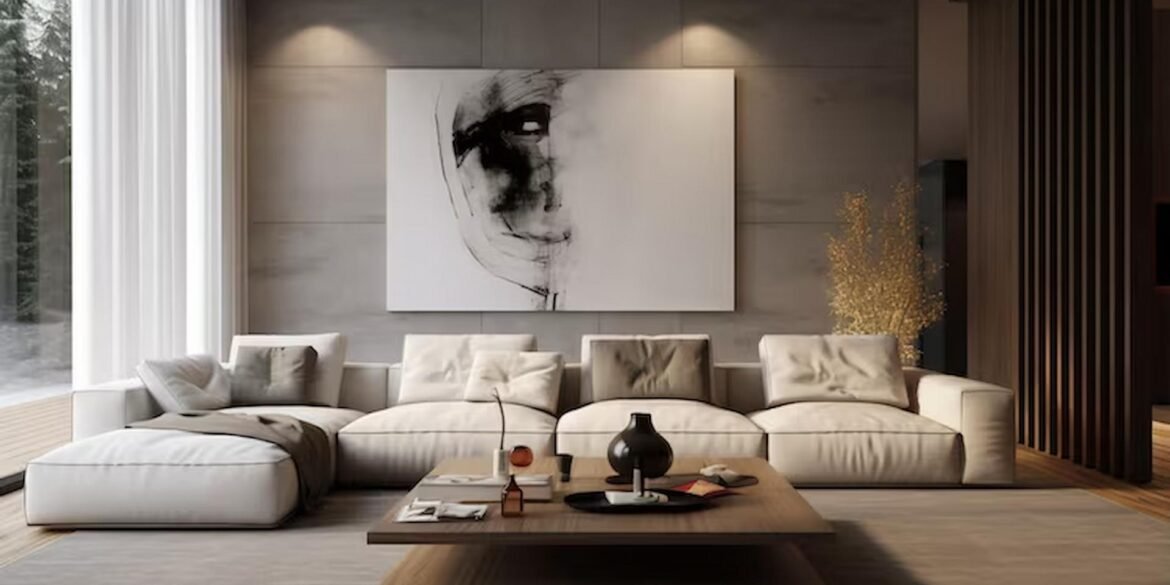
Tired of the “fast furniture” cycle? Discover how to curate a home that defies the expiration dates of fleeting trends. This guide explores the art of merging sleek, modern aesthetics with classic principles to create sophisticated, high-comfort spaces that remain as stunning tomorrow as they are today.
The Art of the Enduring Interior
In an era of viral home decor trends and rapid-fire aesthetic shifts, the concept of a “timeless” home can feel elusive. One week, everyone is obsessed with sleek minimalism; the next, maximalist “cluttercore” takes over the digital landscape. However, the most successful interiors—the ones that feel effortlessly chic decades after they were designed—share a common DNA. They don’t chase every passing fad. Instead, they find a harmonious balance between the sleek efficiency of contemporary life and the warm, grounded elements of classic design.
Creating a home that lasts is about more than just buying expensive furniture. It requires a shift in mindset from consumption to curation. When you focus on home interior design that prioritizes quality and architectural integrity, you move away from the pressure to constantly update. You begin to see your living space as an evolving gallery of your life, rather than a showroom for the latest retail season. This approach ensures that your home remains a sanctuary of comfort and style regardless of what is currently “in.”
Defining the Foundation: Neutral Palettes and Clean Lines
The cornerstone of an enduring modern interior is a disciplined foundation. This usually begins with a neutral color palette. Shades of oatmeal, charcoal, sand, and crisp white provide a versatile backdrop that allows your furniture and art to breathe. Unlike bold, “color of the year” paint choices that might feel dated by next spring, neutrals offer a sense of calm and expansive space.
The Power of Architectural Simplicity
Modern design is often defined by its commitment to clean lines and uncluttered spaces. By emphasizing the bones of a room—its windows, floorings, and ceiling heights—you create a sense of permanence. High-quality home interior design leverages these structural elements to create a flow that feels intuitive and easy. This doesn’t mean your home has to be cold or sterile; rather, it means every piece of furniture should serve a purpose and possess a silhouette that is pleasing to the eye without being overly ornamental.
Why Quality Over Quantity Matters
It is tempting to fill a room quickly to make it feel “finished.” However, the most resilient interiors are built slowly. Investing in a single, well-crafted sofa with a solid wood frame and high-density foam will outperform five cheaper versions over a lifetime. When you choose pieces based on craftsmanship, you aren’t just buying furniture; you are acquiring future heirlooms.
Layering Textures and Natural Materials
If neutral palettes and clean lines are the skeleton of a room, texture and materials are the soul. To prevent a modern space from feeling flat, you must introduce a variety of tactile elements. This is where contemporary comfort truly shines.
The Magic of Organic Elements
- Natural Wood: Incorporating walnut, oak, or maple through flooring or statement furniture adds immediate warmth and a connection to the outdoors.
- Stone and Marble: Whether it’s a travertine coffee table or a marble backsplash, these materials carry a weight and history that synthetic alternatives cannot replicate.
- Leather: High-quality top-grain leather develops a beautiful patina over time, telling the story of the home’s use and adding a sophisticated edge.
Soft Goods and Textile Diversity
- Linen and Wool: Use these for drapery and upholstery to add depth. A heavy wool throw over a sleek leather chair creates a perfect visual and tactile contrast.
- Jute and Sisal: Natural fiber rugs provide an earthy foundation that works in almost any setting, from a coastal beach house to an urban loft.
- Silk and Velvet: For a touch of luxury, use these fabrics in small doses, such as accent pillows, to catch the light and add richness.
Statement Pieces: Anchoring the Room
Every room needs a focal point—something that draws the eye and anchors the design. In a timeless modern home, these statement pieces often blend iconic mid-century design with contemporary art. A classic Eames lounge chair or a Saarinen tulip table is considered “modern,” yet it has been relevant for over sixty years.
When choosing a statement piece, look for “visual weight.” This doesn’t necessarily mean the item is large; rather, it has a strong presence. It could be an oversized original painting, a sculptural light fixture, or a bespoke bookshelf that spans an entire wall. These items should reflect your personal taste rather than a catalog recommendation, as personal connection is the best hedge against trend fatigue.
The Role of Lighting and Open Layouts
Light is perhaps the most underrated tool in interior design. A room can have the finest furniture in the world, but if the lighting is harsh or poorly placed, the design will fail. To create an enduring space, you must layer your lighting:
- Ambient Lighting: The general overhead light that illuminates the space.
- Task Lighting: Functional light for reading, cooking, or working.
- Accent Lighting: Strategic light used to highlight architectural features or artwork.
An open layout complements this by allowing light to penetrate deep into the home. Modern living favors the “great room” concept, where the kitchen, dining, and living areas flow into one another. This fosters a sense of togetherness and makes even smaller footprints feel grand. To keep an open layout from feeling chaotic, use rugs and furniture groupings to “zone” the different areas without using physical walls.
Subtle Personalization: Making It Yours
The danger of following “timeless” design principles is that the home can start to look like a generic luxury hotel. The fix is subtle personalization. Your home should tell the story of who lives there. This is achieved through curated collections—books you’ve actually read, photos from meaningful travels, or handmade ceramics.
The key is restraint. Instead of a shelf full of mass-produced knick-knacks, display three items that truly matter to you. This intentionality ensures that your home feels lived-in and authentic. When an interior is built around the genuine interests of its inhabitants, it never goes out of style because it isn’t trying to be anything other than a reflection of its owners.
Integrating Technology Seamlessly
In a contemporary home, technology is a necessity, but it shouldn’t be the centerpiece. Hide wires, use “Art Mode” televisions that look like framed paintings when off, and choose smart home hubs that blend into the decor. By tucking away the “tech,” you ensure that the room’s aesthetic remains the priority, preventing the space from looking dated as gadgets evolve.
Closure Remarks
Creating a modern interior that lasts is a journey of intentionality. By grounding your home in neutral foundations, prioritizing high-quality materials, and layering textures, you build a space that transcends the fleeting nature of trends. Focus on architectural clarity and pieces that offer both form and function. When you design for longevity rather than instant gratification, you create a sanctuary that remains relevant, comfortable, and beautiful for decades to come.
FAQs
How do I distinguish between a passing trend and a timeless design element? Timeless elements usually have a history of use spanning several decades and prioritize natural materials like wood, stone, and cotton. Trends often involve “fast” materials (like plastic or low-quality veneers), hyper-specific “neon” or “clashing” color palettes, and shapes that feel gimmicky rather than ergonomic. If an item was popular 40 years ago and is still sought after today, it’s likely timeless.
Can I still use bold colors in a timeless modern home? Absolutely. The secret is to use bold colors in “low-stakes” areas. Paint an accent wall, use vibrant throw pillows, or hang colorful art. These elements provide a visual punch but are easily changed if your tastes evolve. Keep the high-investment items—like your sofa, flooring, and cabinetry—in neutral tones to maintain the home’s longevity.
How does an open floor plan affect the longevity of a home’s design? Open floor plans are generally considered timeless because they maximize natural light and social interaction, which are fundamental human needs. However, to keep it from feeling dated, avoid “sunken” living rooms or overly specific structural partitions. Use versatile furniture arrangements to define spaces, allowing the layout to adapt as your family’s needs change over time.
What is the best way to incorporate “smart home” features without ruining the aesthetic? The goal is “invisible tech.” Choose smart switches that look like traditional high-end toggles, use recessed motorized shades, and opt for speakers that can be built into the ceiling or hidden behind acoustic fabric. By integrating technology into the infrastructure of the home rather than leaving it as a tabletop eyesore, you maintain a clean, enduring look.