
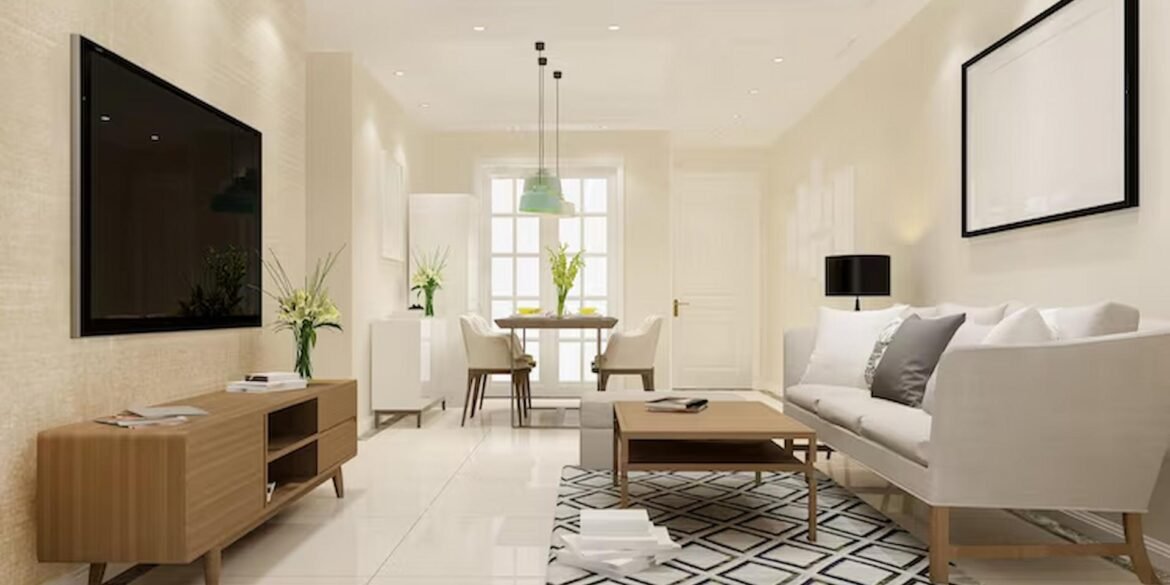
Struggling to make your home feel bigger without knocking down walls? Smart space optimization can transform even the smallest corners into functional, stylish areas. From hidden storage to layout psychology, discover how to unlock unused potential and create a home that feels open, organized, and effortlessly livable every single day.
An Overview
Modern living often comes with limited space, yet the need for comfort, functionality, and style remains unchanged. Whether you live in a compact studio or a spacious home that feels cluttered, optimizing your space is the key to creating an environment that works for you. It’s not just about fitting more into a room—it’s about making every inch purposeful.
When approached thoughtfully, space optimization becomes a design philosophy rather than a constraint. It blends creativity, practicality, and psychology to help you design spaces that feel larger, calmer, and more efficient without sacrificing aesthetics or comfort.
Understanding the Psychology of Space
Before rearranging furniture or adding storage, it’s important to understand how space is perceived. The human brain interprets openness based on layout, lighting, and color rather than actual square footage.
A room with good natural light, lighter color tones, and minimal visual clutter automatically feels more spacious. Strategic mirror placement can reflect light and create depth, while consistent flooring throughout a home avoids visual breaks that make areas feel smaller.
Decluttering also plays a powerful psychological role. When surfaces are clean and items are organized, your brain processes the space as larger and more manageable. This is why minimalism isn’t just a trend—it’s a functional approach to better living.
Vertical Space: The Most Underused Asset
Most homes underutilize vertical space. Walls are often left empty when they could serve as valuable storage or design features.
Smart Ways to Use Vertical Space:
- Install floating shelves for books, décor, or kitchen essentials
- Use tall cabinets that extend to the ceiling
- Hang hooks or pegboards for everyday items
- Opt for wall-mounted desks or foldable tables
Vertical storage draws the eye upward, creating the illusion of height while freeing up floor space. This approach works especially well in small apartments where every square foot matters.
Multi-Functional Furniture for Modern Living
Furniture that serves more than one purpose is a cornerstone of efficient living. In today’s homes, adaptability is just as important as comfort.
Incorporating space optimization through multi-functional pieces allows you to maximize usability without overcrowding your space.
Examples of Dual-Purpose Furniture:
- Sofa beds for living rooms that double as guest rooms
- Storage ottomans that provide seating and hidden compartments
- Extendable dining tables for flexible entertaining
- Beds with built-in drawers for extra storage
These pieces not only save space but also reduce the need for additional furniture, helping maintain a clean and open layout.
Hidden Storage: Keeping Clutter Out of Sight
Hidden storage solutions are essential for maintaining a tidy and functional home. They allow you to store items without disrupting the visual flow of a room.
Think beyond traditional cabinets. Look for opportunities in unexpected places—under stairs, beneath beds, inside benches, or behind mirrors.
Clever Hidden Storage Ideas:
- Under-bed storage containers or built-in drawers
- Staircase compartments for shoes or seasonal items
- Built-in wall niches for décor and essentials
- Furniture with concealed storage sections
By keeping clutter out of sight, you create a cleaner environment that feels more spacious and intentional.
Optimizing Small Spaces: Real-Life Applications
Studio Apartments
In a studio apartment, every area serves multiple purposes. Use room dividers like bookshelves or curtains to create distinct zones for sleeping, working, and relaxing. Keep furniture to a minimum and prioritize pieces that can be folded or stored away when not in use.
Compact Kitchens
Small kitchens benefit from vertical racks, magnetic strips for utensils, and pull-out pantry systems. Maximize cabinet interiors with organizers and stackable storage to avoid wasting space.
Cluttered Living Rooms
Start by removing unnecessary items and rearranging furniture to improve flow. Choose fewer, larger pieces instead of many small ones to reduce visual clutter. Add storage solutions, such as media consoles with compartments, to keep items organized.
Layout and Flow: Designing for Functionality
An efficient layout ensures that your space not only looks good but also works seamlessly for daily activities. Avoid overcrowding rooms with furniture and maintain clear pathways for movement.
Arrange furniture to support natural flow. For example, position seating around a focal point, such as a TV or window, and ensure there’s enough space to move comfortably between areas.
Open-plan layouts can benefit from rugs or lighting variations to define zones without adding physical barriers. This creates structure while maintaining openness.
Lighting and Color: Expanding Visual Space
Lighting and color choices significantly impact how spacious a room feels.
Natural light is ideal, but when it’s limited, layered lighting can help. Combine ambient, task, and accent lighting to create depth and warmth.
When it comes to color:
- Light shades like white, beige, and pastels make rooms feel larger
- Monochromatic schemes create a seamless look
- Strategic use of darker accents adds contrast without overwhelming the space
Reflective surfaces such as glass, mirrors, and glossy finishes further enhance brightness and openness.
Decluttering and Minimalist Living
A clutter-free home is the foundation of effective space optimization. Minimalism isn’t about owning less—it’s about owning what truly adds value to your life.
Start by evaluating your belongings. Keep items that serve a purpose or bring joy, and let go of the rest. Organize what remains in a way that’s easy to access and maintain.
Simple Decluttering Tips:
- Follow the “one in, one out” rule
- Assign a designated place for every item
- Regularly review and remove unused belongings
- Avoid over-decorating surfaces
This approach not only improves space efficiency but also creates a calmer, more focused living environment.
Personalizing Without Overcrowding
A well-optimized space should still reflect your personality. The key is to strike a balance between functionality and personal style.
Choose a few meaningful décor pieces instead of filling every corner. Incorporate textures, artwork, or plants to add character without overwhelming the space.
Thoughtful styling ensures your home feels inviting and unique while maintaining its openness and functionality.
Conclusion
Creating a functional and spacious home doesn’t require more square footage—it requires smarter choices. By combining efficient layouts, multi-purpose furniture, vertical storage, and mindful design, you can transform any space into one that feels open and organized. The goal is to design with intention, ensuring every element serves a purpose while enhancing comfort and livability. With consistent effort and thoughtful planning, any home can become a well-balanced, functional sanctuary.
FAQs
- How can I make a small room look bigger without renovating?
Use light colors, maximize natural light, add mirrors, and keep furniture minimal. Decluttering and maintaining clear pathways also help create the illusion of a larger space. - What type of furniture is best for small spaces?
Multi-functional furniture, such as sofa beds, foldable tables, and storage ottomans, is ideal. They reduce clutter while maximizing usability. - How do I organize a home with limited storage?
Utilize vertical space, invest in hidden storage solutions, and use organizers within cabinets and drawers. Consistent decluttering is essential to maintain order.
4. Can large homes benefit from space optimization techniques?
Absolutely. Even larger homes can feel cluttered without proper organization. Space optimization improves flow, functionality, and overall comfort regardless of size.