Modern design often feels like a race against the clock, where today’s “must-have” look becomes tomorrow’s dated regret. But what if your home could transcend the trend cycle? Discover how to blend classic foundations with modern flair to create a sophisticated space that feels fresh, intentional, and permanently in style.
The Art of the Ever-Evolving Home
Walking the tightrope between “trendy” and “timeless” is the ultimate challenge in interior design. We have all seen homes that feel like time capsules from a specific year—think 1970s avocado green or the heavy Tuscan vibes of the early 2000s. While trends offer excitement and a sense of “the now,” a home that relies solely on them quickly loses its luster. The goal of a modern interior should be longevity: creating a space that feels current today but remains elegant a decade from now.
To achieve this, you must prioritize the room’s bones. When you focus on high-quality materials and architectural integrity, you create a canvas that can adapt as your tastes change. Investing in custom interior design solutions ensures that your home’s layout and permanent fixtures serve your lifestyle rather than a fleeting aesthetic. By starting with a strong foundation, you gain the freedom to experiment with smaller, trend-driven elements without needing a full-scale renovation every few years.
The Foundation: Timeless Design Principles
A timeless interior isn’t about avoiding modern pieces; it’s about grounding them in principles that have stood the test of time. These pillars act as the “anchor” for your aesthetic.
Neutral Palettes as a Canvas
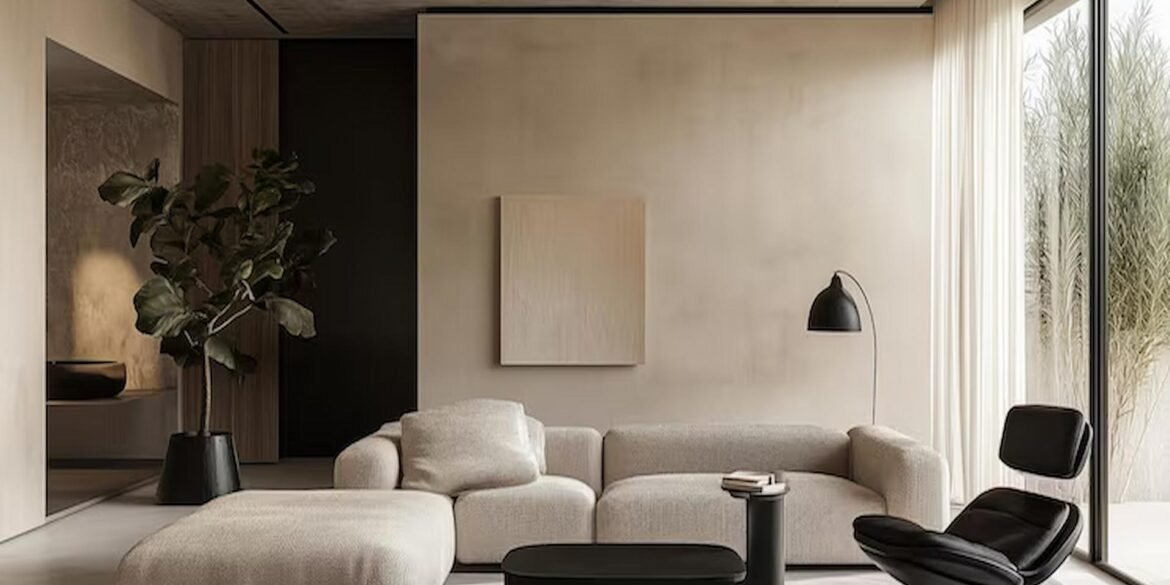
Color psychology plays a massive role in how we perceive a space. While bold colors like “Viva Magenta” or “Classic Blue” may dominate the headlines for a season, neutral tones like warm whites, soft greys, and earthy beiges provide a calm, sophisticated backdrop. A neutral palette doesn’t mean boring; it means versatile. It allows the textures of your furniture and the play of light to take center stage.
Natural Materials and Durability
Authenticity is a hallmark of high-end design. Synthetic materials often show their age quickly, but natural materials like marble, solid wood, wool, and brass develop a beautiful patina. These elements bring an organic warmth to a room that “fast furniture” simply cannot replicate. When you integrate custom interior design solutions into your cabinetry or flooring, you are choosing materials that are meant to last a lifetime.
Balancing the Old with the New
The magic happens when you mix eras. A room filled entirely with antiques feels like a museum, while a room filled entirely with modern pieces can feel cold and clinical. The most successful modern interiors find a “sweet spot” between the two.
Selective Trend Incorporation
The secret to staying current without being “trendy” is the 80/20 rule: 80% of your room should be classic and high-quality, while 20% can be dedicated to current trends. This 20% should consist of items that are easy to swap out.
- Statement Lighting: A sculptural pendant light can instantly modernize a dining room with traditional molding.
- Textiles and Accessories: Velvet throw pillows in a trending “color of the year” or a contemporary rug can instantly refresh a space.
- Hardware: Swapping out kitchen cabinet pulls for a more modern silhouette is an easy way to keep up with trends.
Clean Lines and Minimalism
Minimalism is more than just having less stuff; it is about intentionality. Clean lines in furniture design—think Mid-Century Modern or Scandinavian influences—create a sense of order and space. By removing visual clutter, you allow the craftsmanship of your pieces to shine. An uncluttered home feels more luxurious and is significantly easier to maintain over time.
Personalization and Identity
A home should be a reflection of the people who live in it, not a carbon copy of a showroom. Personalization is what prevents a modern interior from feeling generic.
- Curated Art Collections: Instead of mass-produced prints, choose art that moves you. Whether it’s an abstract canvas or a gallery wall of travel photos, art adds a unique soul to the home.
- Heirlooms and Stories: Mixing a contemporary sofa with a vintage chest of drawers passed down through generations creates a narrative. It shows that the home has been built with care over time.
- Bespoke Elements: Custom shelving or built-in benches allow you to maximize your specific floor plan while adding a level of finish that feels intentional and permanent.
The Role of Lighting and Texture
Lighting is often called the “jewelry” of a room, but it is also a fundamental functional element. A well-designed lighting plan includes layers: ambient, task, and accent lighting. In a modern, timeless home, lighting should be used to highlight architectural features or favorite pieces of art.
Texture, on the other hand, adds the “feeling” to the design. In a neutral room, texture is what provides visual interest. Pairing a smooth marble coffee table with a chunky knit throw and a jute rug creates a sensory experience. This “layering” technique makes a room feel finished and cozy, regardless of whether the specific furniture styles are currently in vogue.
Summary of Key Elements for Lasting Design
To keep your home looking sophisticated for years to come, keep these checklists in mind:
Foundational Must-Haves
- High-quality flooring: Opt for hardwood or natural stone.
- Architectural details: Crown molding, wainscoting, or clean-lined built-ins.
- Subdued wall colors: Off-whites, greiges, and soft taupes.
- Investment furniture: A classic, well-made sofa in a durable fabric.
Trend-Driven Accents (The “Swappables”)
- Decorative ceramics: Vases and bowls in trending shapes.
- Accent wallpaper: Use in small areas like powder rooms or laundry rooms.
- Small tech integrations: Smart home features that can be updated easily.
- Seasonal greenery: Using plants to bring life and color to a space.
Conclusion
Creating a modern interior that lasts is a journey of intentionality. By prioritizing high-quality materials, neutral foundations, and clean lines, you build a home that stands firm against the shifting tides of fashion. The most successful spaces are those that balance the elegance of the past with the innovation of the present. Focus on durability and personal expression, and your home will remain a stylish, comfortable sanctuary for many years to come.
FAQs
How can I tell if a trend will become a classic? Look for the origin of the trend. If it is rooted in natural materials or solves a functional problem (like the open-concept kitchen), it likely has staying power. If it relies on a very specific, bright color or a “gimmicky” material, it is likely a short-term fad.
Is minimalism necessary for a timeless look? Not necessarily. While minimalism helps, timelessness is more about “edited” design. You can have a curated, maximalist home that feels timeless as long as the pieces are high-quality and share a cohesive color story.
How do I mix different wood tones without the room looking messy? The key is to identify the “undertone” of the wood (warm, cool, or neutral). You can mix different wood species as long as they share a similar undertone. Using a consistent grain pattern can also help tie the look together.
How often should I update my interior to keep it “modern”? If you have a strong foundation, you should only need to do a “refresh” every 5 to 7 years. This usually involves updating paint colors, swapping out textiles, or replacing a few pieces of art rather than a full remodel.
Can I use bold patterns in a timeless interior? Yes, but use them in moderation. Classic patterns like stripes, herringbone, or subtle florals are safer bets than highly stylized, contemporary geometric prints, which may date more quickly.