
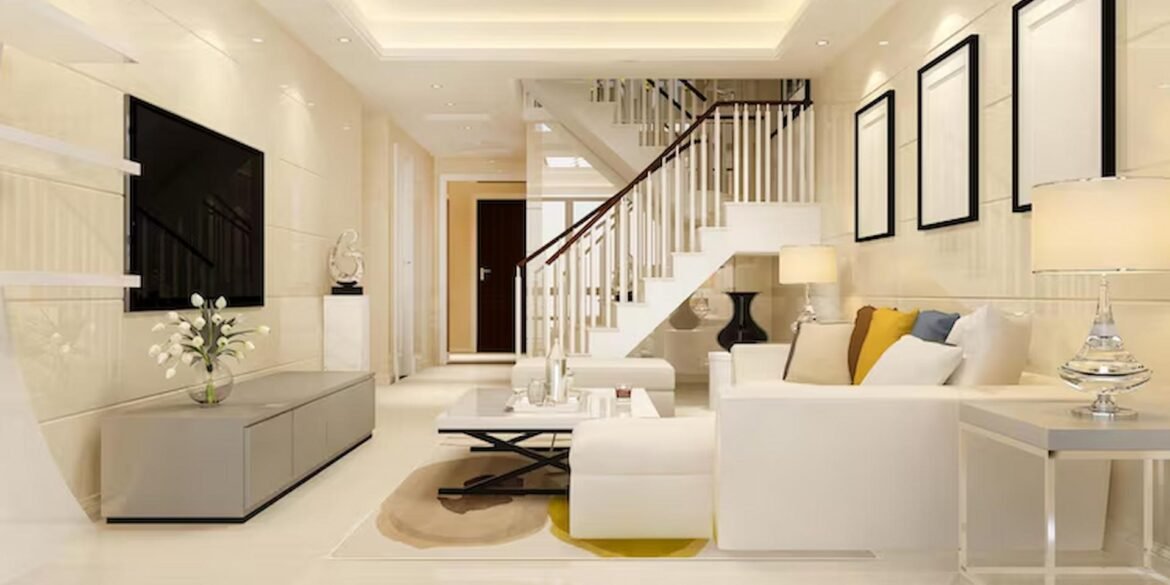
Stop chasing fleeting decor trends that expire in a season. Smart renovation is about “future-proofing”—designing a home that adapts to your growing family, career shifts, and evolving physical needs. Discover how to blend timeless aesthetics with modular functionality to create a living space that truly grows with you.
The Shift from Trendy to Timeless: Why Adaptability Matters
For decades, the standard approach to home improvement was reactive. We renovated because the kitchen looked “dated” or because we needed one specific extra room. However, the modern homeowner faces a more fluid reality. Remote work, multi-generational living, and a desire for sustainability have changed the math. The goal is no longer just to increase resale value, but to maximize “lifestyle value.”
Smart renovation is the art of anticipating the “what ifs.” What if your home office needs to become a nursery? What if your teenager needs a private entrance? By focusing on flexibility, you avoid the cycle of constant, expensive construction. This philosophy treats your home as a living organism rather than a static structure. When you plan with the long term in mind, you can maximize your home’s potential by ensuring every square foot remains useful regardless of your life stage.
Designing for Fluidity: The Multi-Purpose Revolution
The most significant waste of space in a traditional home is the “single-use room.” Think of the formal dining room used twice a year or the guest bedroom that sits empty for months. A smart renovation reimagines these areas as fluid zones.
Strategies for Flexible Room Layouts
- The “Flex” Room: Instead of a dedicated office, install built-in storage that hides a desk behind cabinetry. This allows the room to transition from a workspace to a cozy den or guest suite in minutes.
- Pocket and Barn Doors: Traditional swing doors dictate furniture placement. By using sliding systems, you can open up two rooms into one large entertaining space or seal them off for privacy without losing floor area.
- Adjustable Lighting Zones: Smart lighting systems allow you to change the “mood” of a room from high-energy productivity to low-light relaxation, effectively changing the room’s function without moving a single piece of furniture.
Future-Proofing Your Interior Infrastructure
While paint colors and throw pillows are easy to swap, the “bones” of your home are not. To truly design a space that evolves, you must look behind the drywall. This is where you can maximize your home’s potential by investing in infrastructure that supports future upgrades. For example, running extra conduit for fiber-optic cables or plumbing for a potential wet bar in the basement is significantly cheaper during a renovation than it is five years down the line.
Aging-in-Place Without the “Institutional” Feel
Designing for the future often means considering your older self. Universal design is a cornerstone of smart renovation, ensuring that your home remains safe and accessible as you age.
- Curbless Showers: These provide a sleek, high-end spa look while eliminating trip hazards.
- Wider Hallways: A standard 36-inch width is functional now and essential if mobility aids are ever required later.
- Lever-Style Handles: More ergonomic than knobs, these are easier for children and seniors alike.
Modular Furniture and Scalable Elements
Renovating for evolution doesn’t always require a sledgehammer. Sometimes, it’s about the items you choose to fill the space. Modular furniture allows you to reconfigure your environment as your social or professional needs change.
The Benefits of Modular Systems
- Component-Based Shelving: Wall-mounted systems can be expanded vertically or horizontally, serving as a library today and a media center tomorrow.
- Sectional Seating: Instead of one large sofa, choose high-quality modular pieces that can be separated into individual chairs or combined for movie night.
- Murphy Beds with a Twist: Modern versions include integrated sofas or desks, making a small studio apartment or guest room incredibly versatile.
Sustainability: The Ultimate Long-Term Investment
A home that evolves with your lifestyle must also be built to last. Smart renovation prioritizes durable, eco-friendly materials that age gracefully. Cheap, trendy materials often end up in landfills within a decade. By contrast, natural stone, reclaimed hardwood, and high-performance composites offer a longevity that pays for itself.
Beyond materials, consider energy efficiency. Better insulation, smart thermostats, and high-efficiency windows ensure that, as energy costs rise, your home remains affordable to maintain. A truly “smart” space isn’t just one that looks good—it’s one that functions efficiently and reduces its environmental footprint over time.
Creating a Roadmap for Your Renovation
Before you tear down a wall, create a “Life Stage Map.” List where you expect to be in five, ten, and twenty years.
- Stage 1 (Growth): Will you need more bedrooms or a larger mudroom for kids’ sports gear?
- Stage 2 (Maturity): As kids leave, how will those rooms be repurposed? Perhaps a hobby room or a home gym?
- Stage 3 (Legacy): How can the home support a simpler, more accessible lifestyle?
By mapping these phases, you can make structural decisions today that facilitate these transitions tomorrow. For instance, framing a closet so it can later be converted into an elevator shaft is a classic hallmark of elite-level smart design.
Final Analysis
The art of smart renovation lies in the balance between current joy and future utility. By prioritizing modularity, universal design, and robust infrastructure, you create a home that is an asset rather than a burden. You don’t need a massive footprint to live well; you simply need a space that moves with you. Investing in adaptability ensures your home remains a sanctuary of comfort and efficiency for every chapter of your life.
FAQs
What is the difference between a standard renovation and a smart renovation?
A standard renovation focuses primarily on immediate aesthetic updates or fixing current problems. A smart renovation takes a holistic, long-term view, incorporating flexible layouts, durable materials, and “future-proof” infrastructure to ensure the home remains functional as the occupants’ needs change over time.
How can I make a small room feel more adaptable?
The key is multi-purpose furniture and vertical space. Use wall-mounted desks that fold away, Murphy beds, and modular shelving. Additionally, using a consistent color palette and continuous flooring throughout the home makes smaller, flexible rooms feel like integral parts of a larger, cohesive space.
Why is “aging-in-place” design important if I’m still young?
Designing with accessibility in mind—such as wider doorways and reinforced bathroom walls for future grab bars—is much more cost-effective during an initial remodel than a specialized retrofit later. Furthermore, many universal design features, such as improved lighting and curbless showers, enhance safety and comfort for people of all ages and abilities.
Can smart renovation actually save money in the long run?
Yes. While the initial investment might be slightly higher for quality materials or flexible systems, you save significantly by avoiding future structural changes. A home that can transition from a nursery to an office without moving walls prevents the need for another major renovation five to ten years down the road.